


Can Benzoin Oil be used in sunscreen?
As a supplier of Benzoin Oil, I've often been asked about the potential applications of this remarkable essential oil, especially in the realm of skincare. One question that frequently arises is whether Benzoin Oil can be used in sunscreen. In this blog post, we'll delve into the properties of Benzoin Oil, explore its potential benefits for sun protection, and discuss its viability as an ingredient in sunscreen formulations.
Understanding Benzoin Oil
Benzoin Oil is derived from the resin of the Styrax tree, which is native to Southeast Asia. The resin is collected by making incisions in the bark of the tree, allowing the sap to ooze out and harden. This hardened resin is then steam-distilled to extract the essential oil. Benzoin Oil has a warm, sweet, and balsamic aroma, making it a popular choice in perfumery and aromatherapy.
In addition to its pleasant scent, Benzoin Oil is known for its various therapeutic properties. It has been used for centuries in traditional medicine to treat a range of ailments, including skin conditions, respiratory problems, and digestive issues. The oil is rich in antioxidants, which help to protect the skin from damage caused by free radicals, and it also has anti-inflammatory and antimicrobial properties, making it beneficial for maintaining healthy skin.
The Role of Sunscreen
Before we discuss the potential use of Benzoin Oil in sunscreen, it's important to understand the role of sunscreen in protecting the skin from the harmful effects of the sun. Ultraviolet (UV) radiation from the sun can cause a variety of skin problems, including sunburn, premature aging, and skin cancer. Sunscreen works by absorbing or reflecting UV radiation, preventing it from penetrating the skin and causing damage.
There are two main types of sunscreen: chemical and physical. Chemical sunscreens contain organic compounds that absorb UV radiation and convert it into heat, which is then released from the skin. Physical sunscreens, on the other hand, contain inorganic compounds such as zinc oxide or titanium dioxide, which reflect and scatter UV radiation away from the skin.
Potential Benefits of Benzoin Oil in Sunscreen
While Benzoin Oil is not typically used as a primary sunscreen ingredient, it may offer some potential benefits when incorporated into sunscreen formulations. Here are some of the ways in which Benzoin Oil could contribute to sun protection:
- Antioxidant Protection: As mentioned earlier, Benzoin Oil is rich in antioxidants, which can help to neutralize free radicals generated by UV radiation. Free radicals are unstable molecules that can damage cells and contribute to the development of skin aging and skin cancer. By protecting the skin from free radical damage, Benzoin Oil may help to reduce the risk of these conditions.
- Anti-Inflammatory Properties: UV radiation can cause inflammation in the skin, leading to redness, swelling, and pain. Benzoin Oil has anti-inflammatory properties, which may help to reduce the inflammation associated with sunburn and other UV-induced skin conditions.
- Skin Healing and Repair: Benzoin Oil has been shown to have wound-healing properties, which may be beneficial for repairing skin damage caused by UV radiation. It can help to promote the growth of new skin cells and reduce the appearance of scars and other signs of sun damage.
- Moisturizing Effect: Sunscreen can sometimes dry out the skin, especially if it contains alcohol or other drying ingredients. Benzoin Oil has a moisturizing effect, which can help to keep the skin hydrated and prevent it from becoming dry and irritated.
Challenges and Considerations
While Benzoin Oil offers some potential benefits for sun protection, there are also some challenges and considerations to keep in mind when using it in sunscreen formulations. Here are some of the factors that need to be taken into account:
- Limited UV Protection: Benzoin Oil does not have significant UV-blocking properties on its own. It cannot provide the same level of sun protection as traditional sunscreen ingredients such as zinc oxide or titanium dioxide. Therefore, it would need to be used in combination with other sunscreen agents to provide adequate protection against UV radiation.
- Allergic Reactions: Like any essential oil, Benzoin Oil can cause allergic reactions in some people. Before using a sunscreen containing Benzoin Oil, it's important to perform a patch test on a small area of skin to check for any signs of irritation or allergic reaction.
- Regulatory Requirements: In many countries, sunscreen products are subject to strict regulatory requirements to ensure their safety and effectiveness. Any new ingredient, including Benzoin Oil, would need to meet these requirements before it could be used in sunscreen formulations.
Incorporating Benzoin Oil into Sunscreen
If you're interested in incorporating Benzoin Oil into a sunscreen formulation, here are some tips to keep in mind:
- Choose a High-Quality Oil: Make sure to choose a high-quality Benzoin Oil that is pure and free from contaminants. Look for an oil that has been steam-distilled and is certified organic if possible.
- Use in Combination with Other Sunscreen Agents: As mentioned earlier, Benzoin Oil should be used in combination with other sunscreen agents to provide adequate protection against UV radiation. Consider using it in conjunction with zinc oxide or titanium dioxide, which are effective physical sunscreen ingredients.
- Test the Formulation: Before using the sunscreen on a large area of skin, it's important to test the formulation on a small area to check for any signs of irritation or allergic reaction. Wait at least 24 hours to see if there are any adverse effects.
- Follow Regulatory Requirements: Make sure to comply with all regulatory requirements for sunscreen products in your country. This may include obtaining the necessary approvals and certifications before selling the product.
Other Essential Oils for Sun Protection
In addition to Benzoin Oil, there are several other essential oils that may offer some potential benefits for sun protection. Here are a few examples:

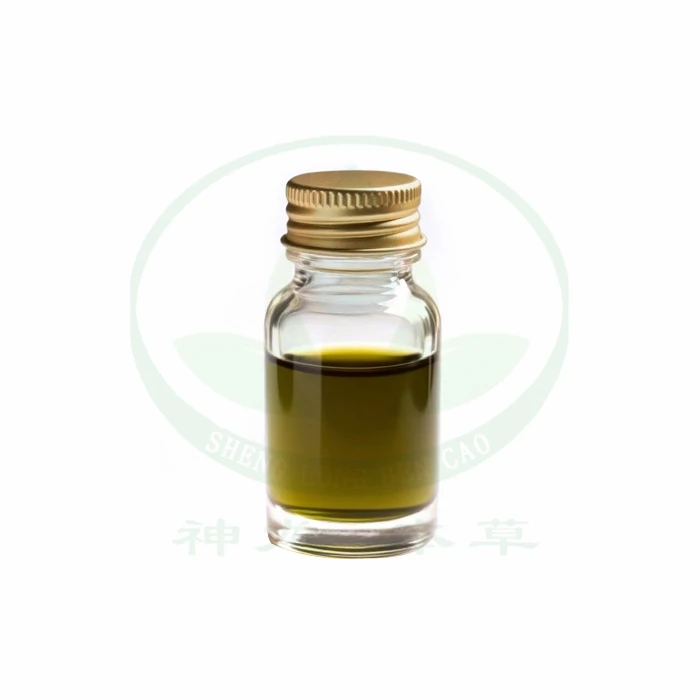
- Loranthus Essential Oil: Loranthus Essential Oil has antioxidant and anti-inflammatory properties, which may help to protect the skin from UV damage and reduce the inflammation associated with sunburn.
- Ganoderma Oil: Ganoderma Oil is rich in antioxidants and polysaccharides, which can help to strengthen the immune system and protect the skin from oxidative stress.
- Vitex Oil: Vitex Oil has anti-inflammatory and antibacterial properties, which may help to soothe and protect the skin from sunburn and other skin conditions.
Conclusion
In conclusion, while Benzoin Oil may offer some potential benefits for sun protection, it is not a substitute for traditional sunscreen. It can be used in combination with other sunscreen agents to enhance their effectiveness and provide additional benefits for the skin. However, it's important to keep in mind the challenges and considerations associated with using Benzoin Oil in sunscreen formulations, and to follow all regulatory requirements.
If you're interested in learning more about Benzoin Oil or other essential oils for sun protection, or if you're interested in purchasing high-quality Benzoin Oil for your skincare products, please don't hesitate to contact us. We'd be happy to discuss your needs and provide you with more information.
References
- Arctander, S. (1960). Perfume and Flavor Materials of Natural Origin. Elizabeth, NJ: Arctander Publications.
- Battaglia, S. (2003). The Complete Guide to Aromatherapy. Brisbane, Australia: The Perfect Potion.
- Tisserand, R., & Young, R. (2014). Essential Oil Safety: A Guide for Health Care Professionals. Second Edition. Churchill Livingstone Elsevier.


