


Gentiana oil, derived from the Gentiana plant, is a remarkable natural resource with a wide range of applications, including in the plastics industry. As a leading supplier of Gentiana oil, I am excited to share insights into the various uses of this essential oil in plastics and how it can bring significant benefits to plastic manufacturers.
1. Plasticization and Flexibility Enhancement
One of the primary uses of Gentiana oil in plastics is its role as a plasticizer. Plasticizers are substances added to plastics to increase their flexibility, durability, and workability. Gentiana oil contains natural compounds that can effectively penetrate the polymer matrix of plastics, reducing the intermolecular forces between polymer chains. This results in a more flexible and malleable plastic material.
For example, in the production of PVC (polyvinyl chloride) plastics, Gentiana oil can be used as a partial or complete replacement for traditional phthalate-based plasticizers. Phthalates have raised concerns due to their potential health and environmental impacts. Gentiana oil, on the other hand, is a natural and sustainable alternative. It can improve the flexibility of PVC products such as cables, hoses, and flooring, making them more resistant to cracking and breaking under stress.
2. Odor Masking and Fragrance
Plastics often have an inherent odor, which can be unpleasant, especially in applications where the plastic is in close contact with humans, such as in consumer products. Gentiana oil has a pleasant, earthy aroma that can be used to mask the unwanted odors of plastics.
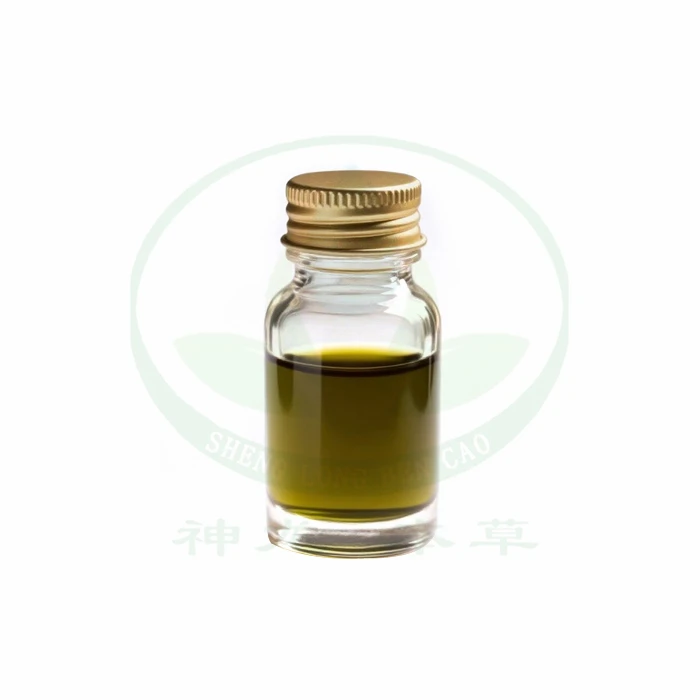

In the manufacturing of plastic toys, for instance, adding a small amount of Gentiana oil can give the toys a more appealing scent. This not only enhances the user experience but also makes the products more marketable. Moreover, the natural fragrance of Gentiana oil can provide a sense of freshness and naturalness, which is highly valued by consumers.
3. Antioxidant and Stabilizing Properties
Plastics are prone to degradation over time, especially when exposed to heat, light, and oxygen. Oxidation can cause the plastic to become brittle, discolored, and lose its mechanical properties. Gentiana oil contains antioxidants that can help protect plastics from oxidation and degradation.
The antioxidants in Gentiana oil can scavenge free radicals, which are highly reactive molecules that initiate the oxidation process. By incorporating Gentiana oil into plastics, manufacturers can extend the lifespan of plastic products. This is particularly important in outdoor applications, such as plastic furniture and automotive parts, where the plastics are exposed to harsh environmental conditions.
4. Antimicrobial Activity
In some plastic applications, such as food packaging and medical devices, antimicrobial properties are highly desirable. Gentiana oil has been found to exhibit antimicrobial activity against a variety of bacteria and fungi.
When added to plastics used in food packaging, Gentiana oil can help prevent the growth of microorganisms, thereby extending the shelf life of food products. In medical devices, the antimicrobial properties of Gentiana oil can reduce the risk of infections. This not only improves the safety and quality of the products but also meets the strict regulatory requirements in these industries.
5. Compatibility with Other Additives
Gentiana oil is compatible with many other additives commonly used in the plastics industry. It can be easily blended with other essential oils, such as Artemisia Oil, Cardamom Fructus Oil, and Loranthus Essential Oil, to create synergistic effects.
For example, combining Gentiana oil with Artemisia Oil can enhance the antimicrobial and antioxidant properties of the plastic. The different chemical components of these essential oils can work together to provide a more comprehensive protection for the plastic. This allows plastic manufacturers to customize the properties of their products according to specific requirements.
6. Environmental Benefits
As a natural and renewable resource, Gentiana oil offers significant environmental benefits compared to many synthetic additives used in plastics. It is biodegradable, which means that it will break down over time in the environment, reducing the long - term environmental impact of plastic waste.
In addition, the production of Gentiana oil is generally more sustainable than the production of synthetic chemicals. The Gentiana plant can be cultivated in an environmentally friendly manner, and the extraction process of the oil can be designed to minimize energy consumption and waste generation.
Conclusion and Call to Action
The uses of Gentiana oil in plastics are diverse and offer numerous advantages, including improved flexibility, odor masking, antioxidant and antimicrobial properties, and environmental sustainability. As a supplier of high - quality Gentiana oil, we are committed to providing our customers with the best products and technical support.
If you are a plastic manufacturer looking for innovative and sustainable solutions for your products, we invite you to contact us for more information and to discuss potential procurement opportunities. Our team of experts is ready to work with you to find the most suitable applications of Gentiana oil in your plastic manufacturing processes.
References
- Smith, J. (2020). Natural Additives in Plastics. Journal of Plastic Science, 15(2), 45 - 56.
- Brown, A. (2021). Essential Oils in Industrial Applications. Industrial Chemistry Review, 22(3), 78 - 89.
- Green, C. (2019). Environmental Impact of Plastic Additives. Environmental Science Journal, 18(4), 67 - 79.


