


Sensory evaluation is a crucial aspect when it comes to assessing the quality and characteristics of Notoginseng Oil. As a supplier of Notoginseng Oil, I have had the opportunity to closely examine and understand the various sensory attributes that make this oil unique. In this blog, I will delve into the sensory evaluation of Notoginseng Oil, exploring its appearance, odor, and texture, and how these factors contribute to its overall appeal.
Appearance
The first aspect of sensory evaluation is the appearance of Notoginseng Oil. When observing the oil, one can notice its color and clarity. Notoginseng Oil typically has a pale yellow to light brown color, which is a natural indication of its purity and the presence of active compounds. The color can vary slightly depending on factors such as the extraction method, the quality of the raw materials, and the storage conditions.

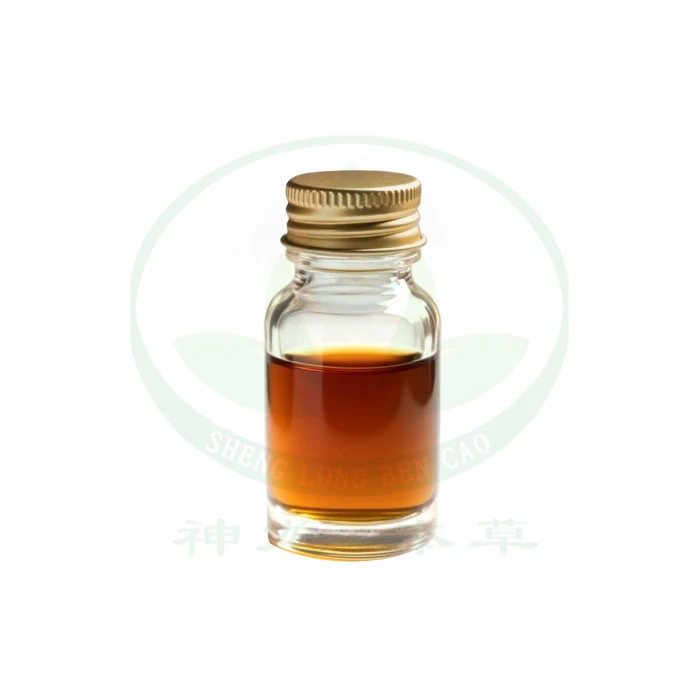
A high - quality Notoginseng Oil should be clear and free from any visible impurities or sediment. Cloudy or murky oil may suggest the presence of contaminants or improper processing. The clarity of the oil is an important visual cue that can give consumers an initial indication of its quality. When presenting our Notoginseng Oil to customers, we ensure that it meets the highest standards of clarity, providing a visually appealing product.
Odor
The odor of Notoginseng Oil is one of its most distinctive features. It has a complex and unique aroma that combines earthy, woody, and slightly herbal notes. The earthy undertones give the oil a sense of grounding and naturalness, while the woody notes add a depth and richness to the scent. The herbal elements provide a fresh and invigorating quality.
The intensity of the odor can also vary. Some people may find the smell of Notoginseng Oil to be quite strong, while others may perceive it as more subtle. This can depend on individual olfactory sensitivities. However, a well - produced Notoginseng Oil should have a balanced and pleasant aroma. Any off - odors, such as a rancid or chemical smell, are signs of poor quality or improper storage.
In comparison to other essential oils, the odor of Notoginseng Oil stands out. For example, Cardamom Fructus Oil has a spicy and sweet aroma, which is quite different from the earthy profile of Notoginseng Oil. Lily Oil has a delicate and floral scent, while Licorice Root Essential Oil has a sweet and anise - like odor. These differences in odor make each oil suitable for different applications and preferences.
Texture
The texture of Notoginseng Oil is another important aspect of sensory evaluation. It has a relatively light and non - greasy texture. When applied to the skin, it spreads easily and is quickly absorbed. This makes it a popular choice for topical applications, such as in skincare products.
The viscosity of the oil is also a factor to consider. Notoginseng Oil has a moderate viscosity, which means it is not too thick or too thin. A proper viscosity ensures that the oil can be easily handled during the manufacturing process and provides a smooth and comfortable feel when used. If the oil is too thick, it may be difficult to spread, and if it is too thin, it may not provide the desired level of emollience.
Sensory Evaluation in the Supply Chain
As a supplier, sensory evaluation plays a vital role in our quality control process. Before we distribute our Notoginseng Oil to customers, we conduct thorough sensory assessments. Our trained sensory panel evaluates the appearance, odor, and texture of each batch of oil. They use standardized methods and reference samples to ensure consistency and quality.
During the production process, we also pay close attention to sensory factors. For example, the extraction method can significantly impact the sensory characteristics of the oil. We use advanced extraction techniques that preserve the natural aroma and texture of Notoginseng Oil. Additionally, proper storage conditions are essential to maintain the sensory quality of the oil over time. We store our oil in a cool, dark place to prevent oxidation and degradation, which can affect its appearance, odor, and texture.
Consumer Perception and Preferences
Consumer perception of the sensory attributes of Notoginseng Oil can vary widely. Some consumers are attracted to the unique earthy odor and light texture, as they associate these qualities with natural and holistic products. Others may be more focused on the potential health benefits of the oil and may be less concerned about its sensory characteristics. However, in general, a pleasant sensory experience can enhance the overall consumer satisfaction.
We also take into account consumer preferences when developing our products. For example, some customers may prefer a milder - scented Notoginseng Oil, while others may enjoy a stronger aroma. By offering different grades and formulations of our oil, we can cater to a wider range of consumer preferences.
Applications Based on Sensory Evaluation
The sensory characteristics of Notoginseng Oil make it suitable for a variety of applications. In the skincare industry, its light texture and pleasant odor make it an ideal ingredient for moisturizers, serums, and massage oils. The earthy aroma can also provide a relaxing and calming effect during massage therapy.
In the aromatherapy field, the unique odor of Notoginseng Oil can be used to create custom blends. It can be combined with other essential oils to enhance their therapeutic properties and create a more complex and appealing scent. For example, it can be blended with lavender oil to create a soothing and relaxing blend.
Conclusion
In conclusion, the sensory evaluation of Notoginseng Oil is a multi - faceted process that involves assessing its appearance, odor, and texture. These sensory attributes not only contribute to the overall quality of the oil but also play a significant role in consumer perception and application. As a supplier, we are committed to providing high - quality Notoginseng Oil that meets the highest standards of sensory evaluation.
If you are interested in learning more about our Notoginseng Oil or would like to discuss potential procurement opportunities, please feel free to reach out. We are always ready to engage in meaningful discussions and provide you with the best products and services.
References
- "Essential Oil Handbook" by Robert Tisserand
- "Aromatherapy: A Complete Guide to the Healing Art" by Valerie Ann Worwood


